

Science
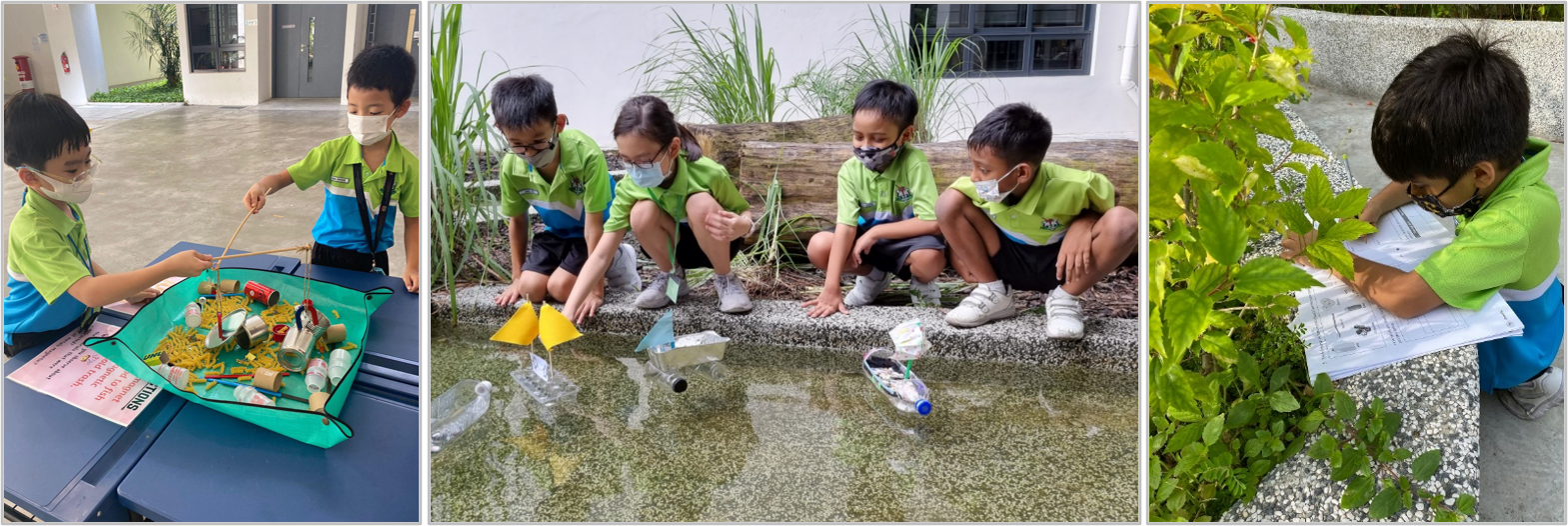
Focus and Beliefs
Our Philosophy
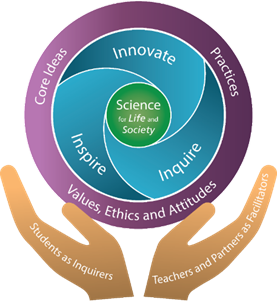
Aligned with the Science Curriculum Framework (see figure 1), the Science Department seeks to create a vibrant learning environment where the spirit of inquiry is instilled in our students. Through authentic and experiential learning opportunities, we aim to make science learning fun and meaningful
Science Curriculum for 2026
The science syllabus has been organised to ensure a progressive development of concepts within and across levels
Our Approach
In Valour Primary School, we use an inquiry-based learning approach to help our students make connections between the scientific concepts and their daily lives and environment. Additionally, we understand that our students are diverse, with different learning needs and interests. As such, we use differentiated instruction so as to appropriately scaffold and extend their learning, and to provide a variety of tasks that are responsive to their needs. Through carefully constructed learning experiences, we develop in our students strong fundamentals in scientific knowledge, skills and with the right values, ethics and attitudes in science.
Primary 3 (Primary Science Syllabus 2023)
| Term | T1 | T2 | T3 | T4 |
|---|---|---|---|---|
| Topic |
Diversity of Living and Non-living things Classification of Living Things |
Diversity of Materials |
Life Cycles of Plants Life Cycles OF Animals |
Properties of Magnets Making and Using Magnets |
Primary 4 (Primary Science Syllabus 2023)
| Term | T1 | T2 | T3 | T4 |
|---|---|---|---|---|
| Topic |
Matter Heat |
Heat Effects of Heat |
Light Shadows |
Plant System Human System |
Primary 5 (Primary Science Syllabus 2023)
| Term | T1 | T2 | T3 | T4 |
|---|---|---|---|---|
| Topic |
Electrical Systems Simple Series and Parallel Electric Circuits Reproduction in Animals and Plants |
Reproduction in Animals and Plants Cycles in Water |
Plant Transport System The Human Respiratory and Circulatory Systems |
The Human Respiratory and Circulatory Systems |
Primary 5 Foundation (Primary Science Syllabus 2023)
| Term | T1 | T2 | T3 | T4 |
|---|---|---|---|---|
| Topic |
Electrical Systems Simple Series Electric Circuits Reproduction in Animals and Plants |
Reproduction in Animals and Plants Cycles in Water |
Plant Transport System The Human Respiratory and Circulatory Systems |
The Human Respiratory and Circulatory Systems |
Primary 6 (Primary Science Syllabus 2023)
| Term | T1 | T2 | T3 | T4 |
|---|---|---|---|---|
| Topic |
Interaction of Forces Photosynthesis Energy Conversion |
Energy Conversion Interactions Within the Environment Surviving in the Environment |
Surviving in the Environment | - |
Primary 6 Foundation (Primary Science Syllabus 2023)
| Term | T1 | T2 | T3 | T4 |
|---|---|---|---|---|
| Topic |
Interaction of Forces Photosynthesis |
Photosynthesis Interactions Within the Environment Surviving in the Environment |
Surviving in the Environment | - |
Programmes
Science Valour Curriculum Time (VCT)
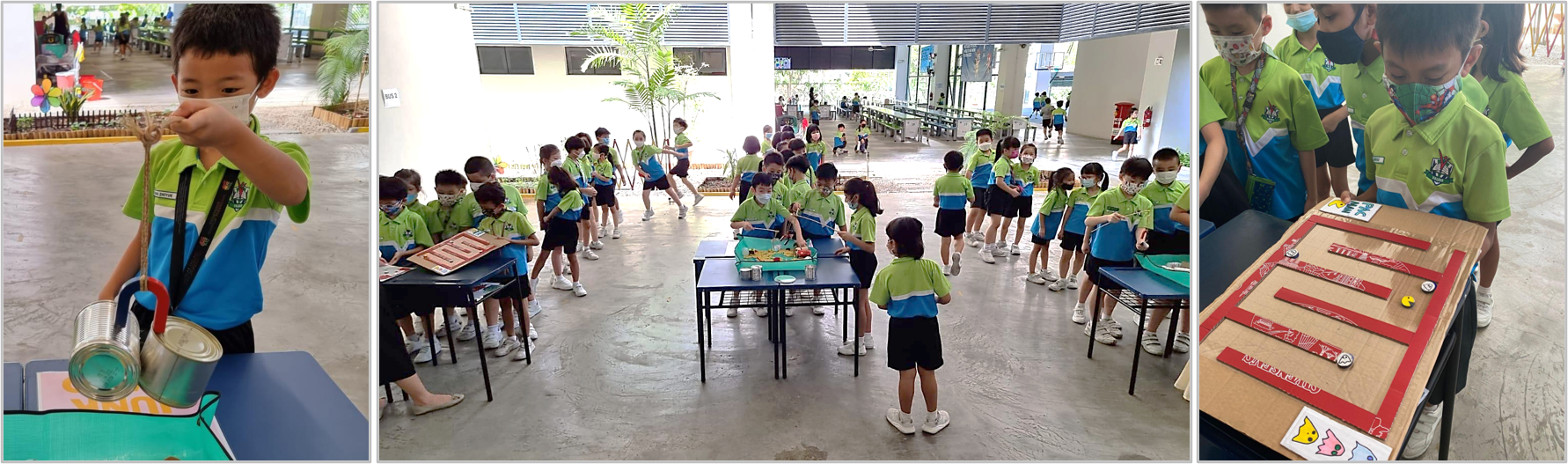
At Valour Primary School, we introduce Science to our students from as early as Primary 1 and 2.
By introducing Science to our younger learners, we aim for them to see that Science goes beyond a subject learnt in Primary 3, but that it exists in their everyday lives. At the Primary 3 level where Science is formally introduced in the students’ curriculum, we use Science VCT to expose Valourians to the scientific method and also explicitly teach process skills.
Additionally, our students get to apply what they have learnt and extend their learning during Science recess activities planned for them.
| Themes | |
|---|---|
| Primary 1 | Science is All around Us |
| Primary 2 | Famous Scientists |
| Primary 3 | Thinking Like a Scientist |
Hands-on Learning
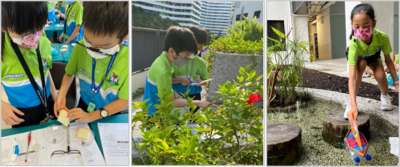
The learning of science should go beyond the four walls of the classroom. Science is about the world around us, and it is important for our students get opportunities to visit the gardens in our school to observe flowers, fruits and spores, and complete their worksheet or workbook activities from observing such authentic examples.
Valourians also get to conduct experiments which promote the development of scientific thinking and process skills in them. They also get to experiment with trial and error, learn from their mistakes, and understand the potential gaps between theory and practice.
Science Journals
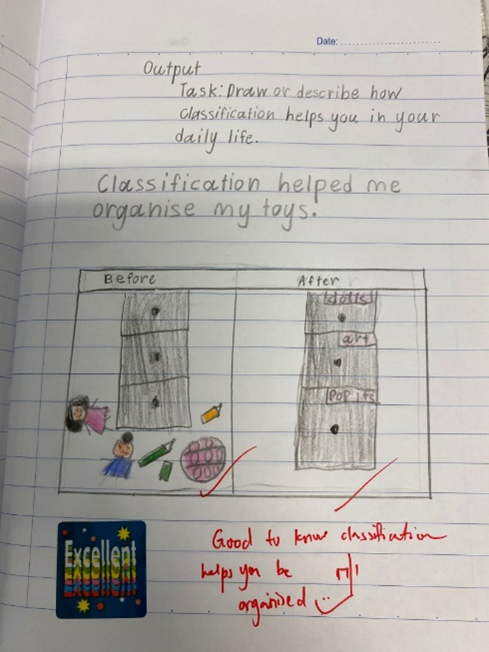
The use of science journals allows our students to reflect on what they have learnt, make their thinking visible, and express themselves in their preferred way, be it drawing a picture or writing a letter to a friend. This enables them to take ownership of their learning. Additionally, our students get to apply their learning to real-life, where applicable.
Science Workbook and Worksheets
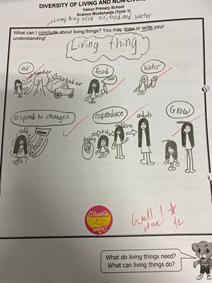
The Science workbook and school worksheets complement each other to offer a variety of activities that our students can explore as they construct their understanding of scientific concepts. They also contain review exercises, focusing on process skills for them to assess their learning.